
It takes a lot of doing to make peace
A deep dive on the new Neurosis, some books, some records, and much more.

I've been waiting for the right moment to crack open my creaky old laptop and blow the dust off the keyboard, and I've finally found it. Before we get to the meat of this thing, I wanted to extend my gratitude to the folks who came out to the Ritual Cross show with Leadburner and Flesh Commodity. We raised over $1,200 for The Illinois Coalition for Immigrant and Refugee Rights, and it felt incredibly fulfilling to play a show and have that be the outcome. If you were there, thank you for coming and thank you for donating!
Second to that, I want to thank the folks who purchased Ritual Cross' II, either in person or online. We're completely sold out on Bandcamp, and I think only have something like 10 copies left, which you can grab from us at our shows in May. It was also cool to see that Tom Breihan included us in his hardcore column at Stereogum last month. Like Tom said in his writeup, we've never met, but I remember seeing him at that first AVAIL show in 2019 and marveling at the dude's stature. It's flattering to be written about so fondly by someone whose passion is palpable in everything he does. Cheers, Tom!
In non-Ritual Cross news—I promise, this newsletter will not solely become a repository for band stuff—I've been doing my best to read more fiction this year, and despite picking Larry McMurtry's intimidatingly massive Lonesome Dove, I am happy to report that it lives up to every bit of hype bestowed upon it. I'm not normally interested in cowboy shit, but this proves that, even in genres you normally skip, there's always something to be found when you meet it on its terms. Or maybe this is just an example of the classics having that status for a reason. Either way, Lonesome Dove is a book I've thought about regularly since finishing it last month, and I look forward to a future re-read.
I followed that with Dance of Death: The Life of John Fahey, American Guitarist by Steve Lowenthal. I've been a Fahey fan for years, and I knew the high-level bullet points of his life, which I'd sum up as: great guitarist, unendingly difficult contrarian. Those things were confirmed pretty quickly here. What made Dance of Death such a great read is that I walked away with a deeper appreciation for Fahey's music and a much lower view of him as a person.
Lowenthal's writing in Dance of Death showed a masterful ability to not let one side of Fahey overshadow the other. Here's a man whose hands conjured immense beauty, but they were attached to a person who delighted in being an asshole for no comprehensible reason. The people closest to him spoke of him with alternating warmth and frustration, and I appreciated a book that avoided hagiographic tendencies and, instead, laid it all out there for me to sort out. Impressive stuff, and relevant to what I'm going to get into in a bit here. So let's talk some new music and see where we land at the end of this.
A.I. Death Calculator, A.I. Death Calculator
 millyrockemo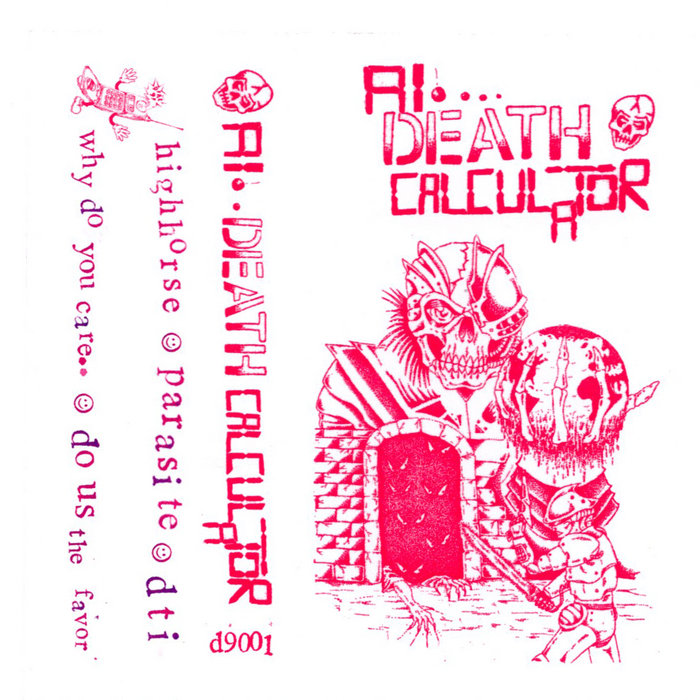
First off, great band name. Maybe not in a traditional sense, but it's that perfect topical punk band name in the vein of Jodie Foster's Army or Reagan Youth. Will it be dated? Sure. But who cares, everything is dated eventually. Anyhow, I found this one on a recent Bandcamp dive and these Floridian miscreants make weirdo hardcore punk that lands perfectly for me. There's fast parts, there's slower mosh parts, and neither one feels out of place next to the other. There are worse ways to spend eight minutes than with this collection of rippers.
Early Grave, Winter Promo 2026
 B
B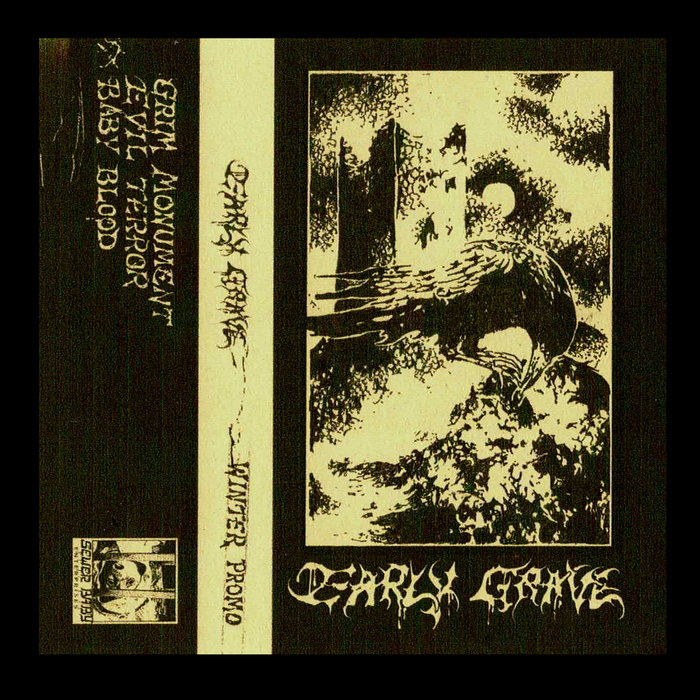
If Sakevi heard this he'd probably be pissed. Then again, when wasn't he? The G.I.S.M. influence is strong here but it's far from the only thing Early Grave have going for them. "Evil Terror" has a bit of a Rikk Agnew circa Only Theatre of Pain vibe with mournful melodic riffs and a big, catchy solo in the middle. Pair that with the spooky soundscapes kicking around in the background, and you've got something that really feels like an evolution from where they were on last year's Sewer Baby Eaten By Worms. With an LP coming later this year, I can't wait to see what Early Grave can do with even more space to stretch out.
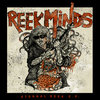
Reek Minds, Eternal Reek
 Riot Radio
Reek Minds have been my favorite hardcore band this decade. They've yet to release anything that's disappointed me, and Eternal Reek might be their most potent batch of songs yet. When I put this seven-inch on and close my eyes, I can picture the splinters flying off the drum sticks as this dude just mashes on the hi-hat. Couple it with those quick and dirty guitar solos and, baby, you've got a stew going.
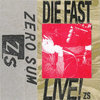
Zero Sum, Die Fast Live!
 Joe Maddock
Oops! All hardcore. This live recording of Nashville's Zero Sum is remarkable for a few reasons. One, it's the new project of Kathryn Edwards from Thirdface, a band that deserved far more attention then they got and, two, it's a live recording. That isn't super notable in and of itself, but it's a quality live recording, not some microphone-placed-above-kick-drum rehearsal thing that pervades underground music like a plague. It's a wise move, as people often talk about how hardcore is meant for the live setting, and this bares that notion out. You really get the sense that you were at DRKMTTR that day, even if you've just got this relic to hold onto instead.
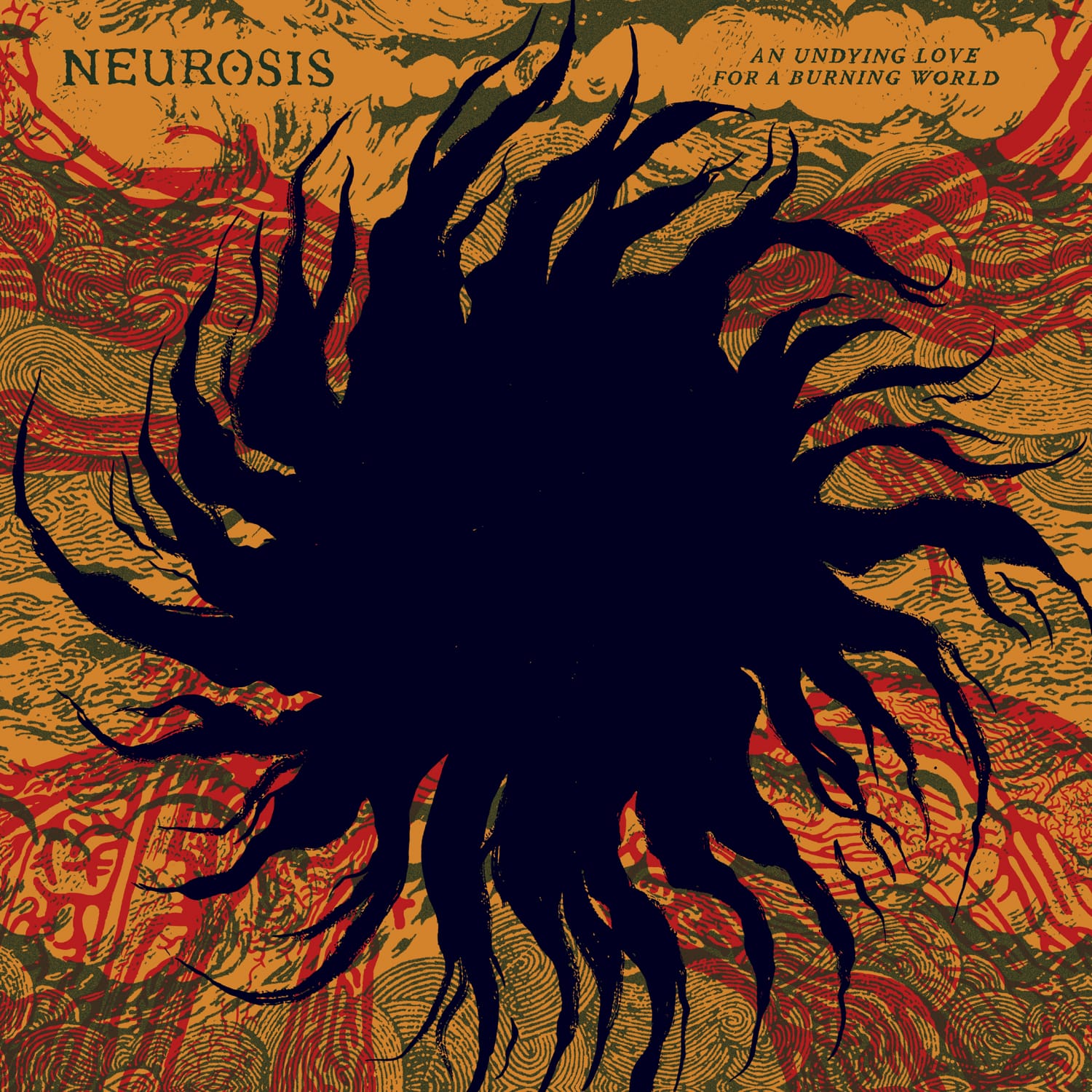
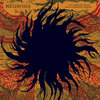
Neurosis, An Undying Love for a Burning World
 Ezra
Ezra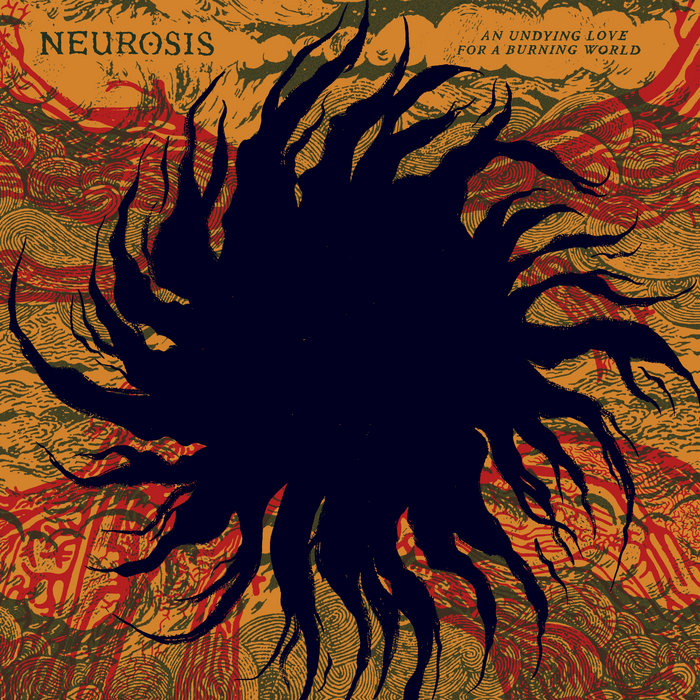
Yes, I've seen the tweet. And yes, I'm aware of what I look like. It's still funny, though.
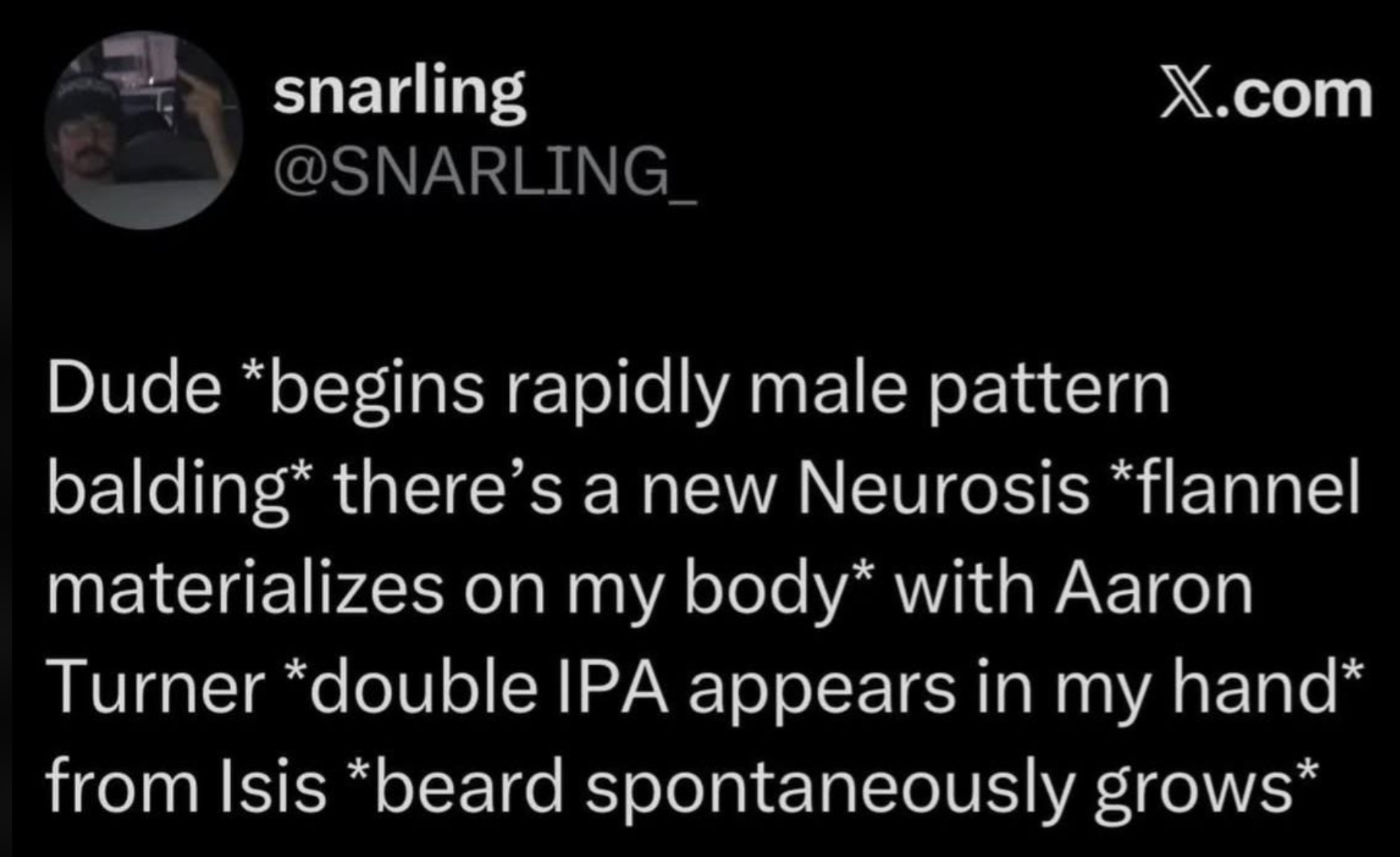
That bit of self-deprecation out of the way, I don't think I'll have much humor to add from here. In part, because there's a lot of sensitive stuff to discuss first.
Since 2022, Neurosis were firmly on the list of bands I thought we would never hear from again. Strangely, I remember exactly where I was when the news broke that Scott Kelly had been abusive toward his family and he was retiring from music, effective immediately. I also recall reading the band's subsequent post, which I found to be as well-articulated and thorough as one can be about such a thing. It was mostly radio silence until, in January of 2025, drummer Jason Roeder began selling much of his musical equipment on Instagram, coupling his posts with fairly bleak captions and changing his bio to, "I used to go on stage and pretend I was supposed to be there.” Depressing!
Though Neurosis had no true front-person—they deployed a multi-vocalist approach with Kelly, Steve Von Till, and Dave Edwardson all sharing that duty, to varying degrees—it's always hard to replace one of the more visible members of a band. It's harder, still, to remove the stain those people leave behind. That stain, though, is one that didn't keep me from listening to Neurosis' music.
Neurosis was a massively influential band for me, in ways both obvious and subtle. One thing that made them distinct, though, was that they truly felt greater than the sum of their parts. When I listened to Neurosis, at least after Von Till joined on their second album The Word As Law, I rarely could tell you which vocalist was singing at any given point in a song. Well, save for Edwardson, who is the human equivalent of a subwoofer, but Kelly and Von Till often doubled one another, creating a similar effect to a layered guitar. There were moments I'd catch more of one than the other, but I never consciously thought of them as something other than Neurosis. They were an entity bigger than their individual contributions, with no single member driving them forward more than any of the others. At least that's how I always saw it.
Clicking play on An Undying Love for a Burning World, I can't tell you how correct I feel about that assertion. Following the chanted mantra that opens the album, "Mirror Deep" feels like being dropped into the middle of a track from Through Silver In Blood. It's a version of Neurosis that hasn't really existed since the '90s. While they continued to make good, and some great, records after Times of Grace, that '90s run is what I think of as being the Neurosis sound. This is also the point where I need to talk about Steve Albini.
Starting with Times of Grace, Albini engineered every Neurosis release, save for their Jarboe collaboration. In many ways, Albini's work with Neurosis became a defining feature of the band, and it also showed that he possessed an innate understanding of what made them so powerful. When Albini died in May of 2024, one of the first albums I chose to play, as a kind of spiritual tribute, was Times of Grace. Albini recognized that what gave Neurosis their power wasn't layers of guitars and assorted studio trickery, the heft they carried was baked into the compositions themselves. Neurosis flourished as a live band, and Albini, who recorded bands as if they were performing live, became a logical match.
It wasn't until I was midway through An Undying Love's third track, "First Red Rays," that I thought to look at the production credits. Seeing Scott Evans' name listed made perfect sense. Though, as far as I can tell, Evans is not an Albini type in methodology, but, for my money, no one is currently making heavy records that sound as good as Evans does. He has a knack for making albums that sound organic and human, proving there is still something to be said for capturing an actual performance and not splicing things together and saying that's good enough.
If it's not clear, my enthusiasm about An Undying Love could not be deterred. That is, until I was met with the question of why they didn't just start a new project under a new name to draw a line between them and Kelly's actions. It's not a point I agreed with, and I wanted to explain why that's something I feel strongly about.
Allow me to start here: I don't believe it's for me to decide whether Scott Kelly deserves forgiveness; it's solely up to the people effected. Similarly, if the band wants to continue something they spent over 30 years building without Kelly present, that is well within their right. I don't believe that the actions of one person should be grounds for others to not continue with their artistic practice separate from that individual, even under the same banner that once covered someone they've now since renounced.
I grant there are many cynical reads for what I just wrote. You could argue I'm granting Neurosis permission to do this because I love this band so deeply, but that's not what's at play here. I've seen plenty of other bands continue sans a member who has committed heinous acts and I've always found that to be both reasonable and rationale. Frankly, I think forcing people to abandon their pursuits entirely and start from scratch just gives power to those we hope to take it from. Those disgraced still wield their influence by becoming the defining piece of the works others helped create, even if that wasn't always the case.
I say all of this here not as a rejoinder to potential critics, but because I feel like all of this is what this Neurosis album is about. We're disconnected from one another and kept apart because of powers bigger than ourselves. We've allowed the worst of us to rob of us the institutions, both physical and metaphorical, that enabled people to find a state of repose. Maybe I'm just naive, I'll grant that, but what I hear in this record is the belief that some things are worth saving, even if others would tell you to just give up and move on.
Classic pick from the shelf: Robbie Basho, Visions of the Country
 keliskindacool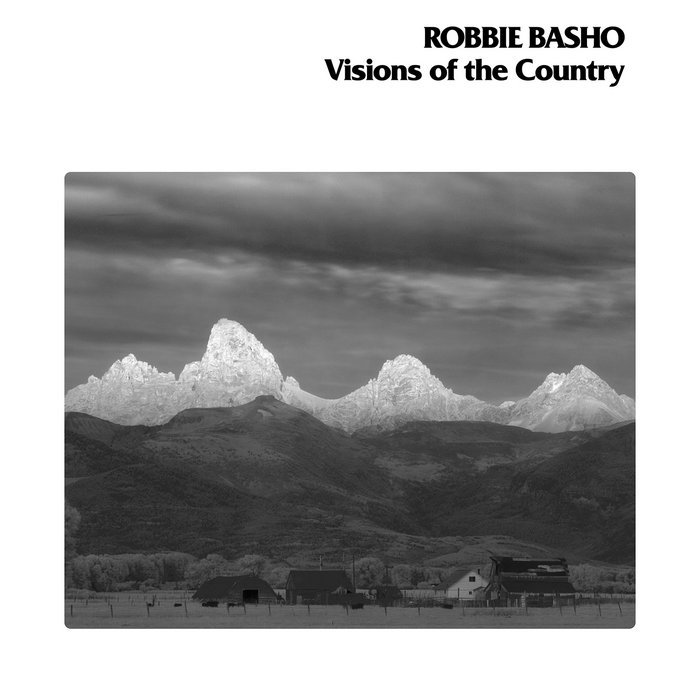
Let's end somewhere softer after all this heaviness. A few weeks ago, I was finally able to scratch Robbie Basho's classic Visions of the Country off my want list after a lengthy search. I still recall driving around and hearing "Rocky Mountain Raga" on CHIRP Radio one day and hoping I'd still be in broadcast range by the time the DJ had a chance to tell me who this was, and I was lucky enough to get that answer before the channel turned to static.
Since then, I've learned a bit about Basho—a bit from the aforementioned Fahey biography, actually—but I'd still never seen a copy of Visions of the Country in person. As I learned, even modern reissues are fairly scant and somewhat pricey. Seeing an original at Dusty Groove a few weeks ago, I snagged it without a second thought.
Once I got it home, I found an original press package put together by Basho with a handwritten note, press clippings, a glossy 8"x10", and his rates for college shows stapled inside the sleeve. This was an insane thing to find in an already rare album, but it's given me an even deeper connection to the material. Seeing how he was written about in that time, and how he pitched himself to others, made the record feel more tangibly human than it previously did.
That ephemera aside, Visions of the Country is truly stunning. Though my general preference is for American primitivism to be instrumental, I find Basho's booming voice a perfect fit here. He's not trying to sing in some genteel manner, which may sound preferable on its face, but I find his more obtrusive approach to actually serve as a nice counter to music that flutters and floats so effortlessly. At a time when things feel so diffusely terrible, nothing has been as spiritually centering quite like Visions of the Country.